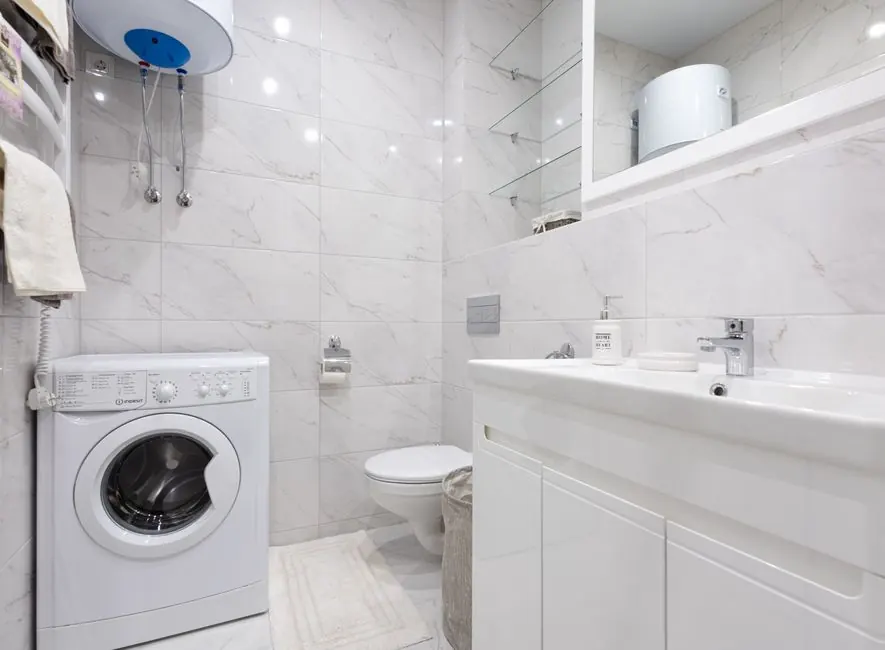
Experiencing issues with your water heater not heating in Highlands can be frustrating. The reasons for this problem can range from simple fixes to more complex issues requiring professional help. In this article, we will explore the common causes of water heater problems and provide troubleshooting steps to help you diagnose the issue.
Understanding the basics of how your water heater operates can help you identify the problem. Most water heaters work by heating water in a tank using either gas or electricity. When you turn on the hot water tap, hot water is drawn from the top of the tank, and cold water fills the tank from the bottom. If your heater isn't heating, it's essential to determine whether the problem lies with the unit itself or the power supply.
Understanding Water Heater Basics
There are two main types of water heaters: tank and tankless. Tank water heaters store a specific amount of hot water, while tankless water heaters heat water on demand. Knowing which type you have can help you understand potential issues better.
Water heaters typically include components such as:
- Thermostat: Controls the temperature of the water.
- Heating Element: Heats the water in electric models.
- Gas Burner: Heats the water in gas models.
- Dip Tube: Sends cold water to the bottom of the tank.
- Drain Valve: Used for flushing sediment from the tank.
Familiarizing yourself with these components can make troubleshooting easier.
Common Reasons for Heating Issues
Several factors can contribute to your water heater not heating properly:
- Power Supply Issues: If your water heater is electric, check if it's receiving power. A tripped circuit breaker or blown fuse may be the cause.
- Thermostat Settings: Ensure the thermostat is set to the appropriate temperature, typically around 120°F.
- Heating Element Failure: In electric models, one or both heating elements can fail, leading to insufficient heating.
- Gas Supply Problems: For gas water heaters, ensure the gas supply is on and that the pilot light is lit. If the pilot light is out, follow the manufacturer's instructions to relight it.
- Sediment Buildup: Over time, sediment can accumulate in the tank, affecting heating efficiency. Flushing the tank regularly can prevent this issue.
Each of these factors can significantly impact the performance of your water heater. If you live in Highlands, where older homes may have outdated systems, these issues can be more prevalent.
Troubleshooting Steps
If your water heater isn't heating, follow these steps to diagnose the problem:
- Check the power supply. For electric models, ensure the circuit breaker is not tripped.
- Inspect the thermostat settings and adjust as necessary.
- Examine the heating elements for signs of damage or wear.
- If you have a gas heater, check the gas supply and pilot light.
- Flush the tank to remove any sediment buildup.
After performing these steps, if the heater still does not work, it may be time to call an expert.
When to Call a Professional
If you've gone through the troubleshooting steps and your water heater still isn't heating, it's time to engage a professional. Issues like a malfunctioning thermostat, broken heating elements, or gas line problems require specialized knowledge and tools. At Louisville plumbing emergency services, we provide expert assessments and repairs to get your hot water back on track.
Common Mistakes to Avoid
When dealing with water heater issues, avoid these common mistakes:
- Ignoring unusual noises or leaks, which can indicate serious problems.
- Attempting complex repairs without proper knowledge.
- Neglecting regular maintenance, such as flushing the tank.
- Overlooking the importance of the temperature setting.
Being aware of these mistakes can save you time and money in the long run.
Frequently Asked Questions
Why is my electric water heater not heating?
Common reasons include a tripped circuit breaker, a faulty thermostat, or a broken heating element. Check these components before seeking professional help.
How often should I flush my water heater?
It's recommended to flush your water heater at least once a year to remove sediment buildup and improve efficiency.
What temperature should my water heater be set at?
The ideal temperature for most households is around 120°F to ensure safety and efficiency.
Can I repair my water heater myself?
While some minor issues can be fixed, major repairs should be handled by professionals to avoid safety hazards.
How long do water heaters last?
Most water heaters last between 10 to 15 years. Regular maintenance can extend their lifespan.